
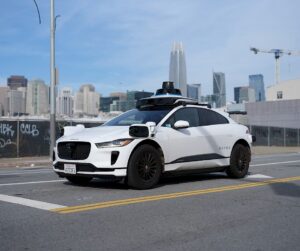
Autonomous Vehicles: Revolutionizing Senior Mobility in the South
Introduction: As a graduate student in the Southern Gerontological Society program, I’m deeply interested in the challenges and opportunities facing our region’s aging population. One critical area is senior mobility. Many older adults, particularly those living in rural areas or with declining physical abilities, face limitations in getting around. This can lead to social isolation, decreased access to healthcare, and a decline in overall well-being.
This is where the burgeoning technology of autonomous vehicles (AVs) presents a fascinating potential solution. These self-driving cars hold the promise of revolutionizing senior mobility, offering independence, safety, and improved access to vital services.
In this blog, we’ll explore the specific challenges faced by older adults in the South, the potential benefits of AVs, and some of the considerations for integrating this technology into our communities.
The Southern Challenge: Unique Considerations
The South presents unique challenges for senior mobility. Factors like:
These factors combine to create a situation where seniors are particularly vulnerable to mobility limitations.
Autonomous Vehicles: A Potential Game Changer
AVs offer a glimmer of hope. Imagine a world where seniors can:
However, there are also challenges to consider.
Navigating the Road Ahead: Considerations for Implementation
While AV technology holds immense promise, several considerations need to be addressed before widespread adoption:
Conclusion
The intersection of autonomous vehicles and senior mobility in the South is a complex but exciting area. While challenges exist, the potential benefits for our aging population are undeniable. By working together, gerontologists, technologists, policymakers, and community leaders can shape the future of AVs to ensure safe, accessible, and equitable transportation for all, regardless of age or location.
Further Discussion
This blog is just the beginning of the conversation. We encourage you to share your thoughts!
By fostering open dialogue and innovative solutions, we can work towards a future where seniors in the South can navigate their communities with independence and dignity.
The Promise of Autonomous Vehicles for Enhancing Senior Mobility
Ensuring older adults preserve their independence and quality of life is becoming more and more crucial as our population ages. The possibility for autonomous vehicles to completely transform senior mobility is one of the most intriguing advancements in this field. I find it fascinating how this technology might help older adults with their transportation needs as a graduate student at Georgia State University.
The Mobility Challenge for Seniors
Maintaining mobility gets harder as people get older for many older adults. Driving might become hazardous or difficult due to physical restrictions, eyesight problems, and sluggish reflexes. This lack of autonomous transportation frequently results in:
These issues don’t just affect individuals – they have broader societal impacts in terms of healthcare costs, social services, and community vitality.
Enter Autonomous Vehicles
Numerous of these problems could potentially be directly solved by self-driving automobiles. Autonomous vehicles could benefit older adults by offering accessible, dependable, and safe transportation.
Key Benefits for Senior Mobility
Challenges and Considerations
While the potential is immense, there are still hurdles to overcome:
The Road Ahead
As a graduate student studying this field, I’m excited about the potential for autonomous vehicles to enhance senior mobility. However, it’s clear that realizing this potential will require collaboration between technologists, policymakers, urban planners, and gerontologists.
Key areas for future research and development include:
Conclusion
Autonomous vehicles have the potential to significantly improve mobility, independence, and quality of life for older adults. As we continue to develop and refine this technology, it’s crucial that we keep the needs of older adults at the forefront of our considerations. As I continue my studies and research in this field, I’m excited to contribute to this important work and help shape a future where mobility is truly accessible to all.